Morocco is a destination that captivates travelers with its rich culture, stunning landscapes, and vibrant markets. For those seeking an exotic getaway without breaking the bank, smart planning is essential. Exploring Morocco on a budget is entirely feasible with the right tips and local insights.
From the bustling streets of Marrakech to the serene beaches of Essaouira, this guide offers practical advice that enables travelers to make the most of their experience. They can navigate transportation, dining, and accommodations effectively while enjoying the unique flavors and sights of the region.
Whether a first-time visitor or returning traveler, understanding the best ways to budget can enhance their journey significantly. With tips to discover hidden gems and local cuisine, Morocco will not only be affordable but also unforgettable.
Essential Planning for Budget Travel in Morocco
Effective planning is essential for a budget-friendly experience in Morocco. By choosing the right time to visit and securing affordable accommodation, travelers can enjoy the rich culture and beautiful landscapes without overspending. Understanding currency options and travel insurance further enhances the travel experience.
Best Time to Visit Morocco
The ideal time to travel in Morocco depends on personal preferences for weather and crowds. The high season, from mid-December to February, attracts many tourists due to mild weather. This period can lead to higher prices for accommodations and activities.
The shoulder seasons, from March to May and September to November, offer pleasant temperatures and fewer crowds, making it easier to find budget-friendly options. The low season (June to August) features hot weather, particularly in desert areas, but prices drop significantly, making it ideal for travelers seeking bargains.
Budget-Friendly Accommodation Options
Morocco offers various budget-friendly accommodation types, including guesthouses, riads, and simple hotels. Guesthouses, often family-run, provide authentic experiences and local insights, typically at reasonable rates of 200-400 MAD per night.
Riads are traditional Moroccan houses with an interior courtyard, offering a unique ambiance. Prices for riads can range from 300-600 MAD. For basic options, budget travelers can also find hotels and hostels that cater to a backpacker crowd, spreading costs down to 150 MAD or less per night.
Navigating Money and Currency
The official currency in Morocco is the dirham (MAD). It’s essential for travelers to familiarize themselves with exchange rates and currency conversions before their trip. ATMs are widely available, especially in urban areas, making it convenient to withdraw cash as needed.
When exchanging money, avoid exchanging at airports where rates are less favorable. Budget travelers should consider using local markets to spend small amounts of cash and minimize bank fees. Understanding the typical costs for food, transport, and attractions will aid in effective budgeting throughout the stay.
Travel Insurance Essentials
Travel insurance is a crucial element for budget travelers in Morocco. It protects against unforeseen events like cancellations, lost luggage, and medical emergencies. Policies can vary widely, so it’s essential to compare options tailored to the traveler’s needs.
Covering key elements, such as medical emergencies and trip cancellations, generally costs around 300-800 MAD for comprehensive plans. Some insurers offer specific policies for adventure activities. Budget travelers should ensure they read the fine print to avoid exclusion clauses that might leave them unprotected.
Top Destinations and Experiences on a Budget
Morocco offers a wealth of experiences that cater to budget travelers. From the vibrant streets of imperial cities to the breathtaking landscapes of the Sahara Desert, there are numerous options to explore without overspending.
Exploring Imperial Cities
Morocco’s imperial cities like Marrakech, Fes, and Rabat stand out for their rich history and vibrant culture. In Marrakech, the Jemaa el-Fna square is a must-visit, bustling with street performers and food stalls. Exploring the Koutoubia Mosque offers a glimpse into Moroccan architecture, while the nearby Royal Palace provides insight into royal history.
Fes, known for its ancient medina, is a UNESCO World Heritage site. Travelers can wander through narrow streets, discovering artisan workshops and local markets. The famous Bou Inania Madrasa enhances the historical experience with its stunning mosaics. Rabat, the capital, features the Hassan Tower and the serene Kasbah of the Oudayas, perfect spots for cultural immersion and relaxation.
The Magic of the Sahara Desert
The Sahara Desert presents an unforgettable adventure for those seeking natural beauty and tranquility. Merzouga is a popular starting point to explore the desert, famous for its vast dunes and camel trekking experiences.
Budget travelers can join group tours, which often include lodging in traditional Berber tents. Watching the sunset over the dunes is a highlight, with the landscape transforming into a palette of colors. The magic of the Sahara also lies in its night sky; stargazing reveals a breathtaking display, perfect for nature enthusiasts.
Charming Coastal and Mountain Escapes
Morocco’s coastal towns and the Atlas Mountains offer captivating escapes for budget visitors. Essaouira, with its ancient ramparts and vibrant arts scene, is a gem along the Atlantic coast. The local market and fresh seafood options provide affordable dining experiences.
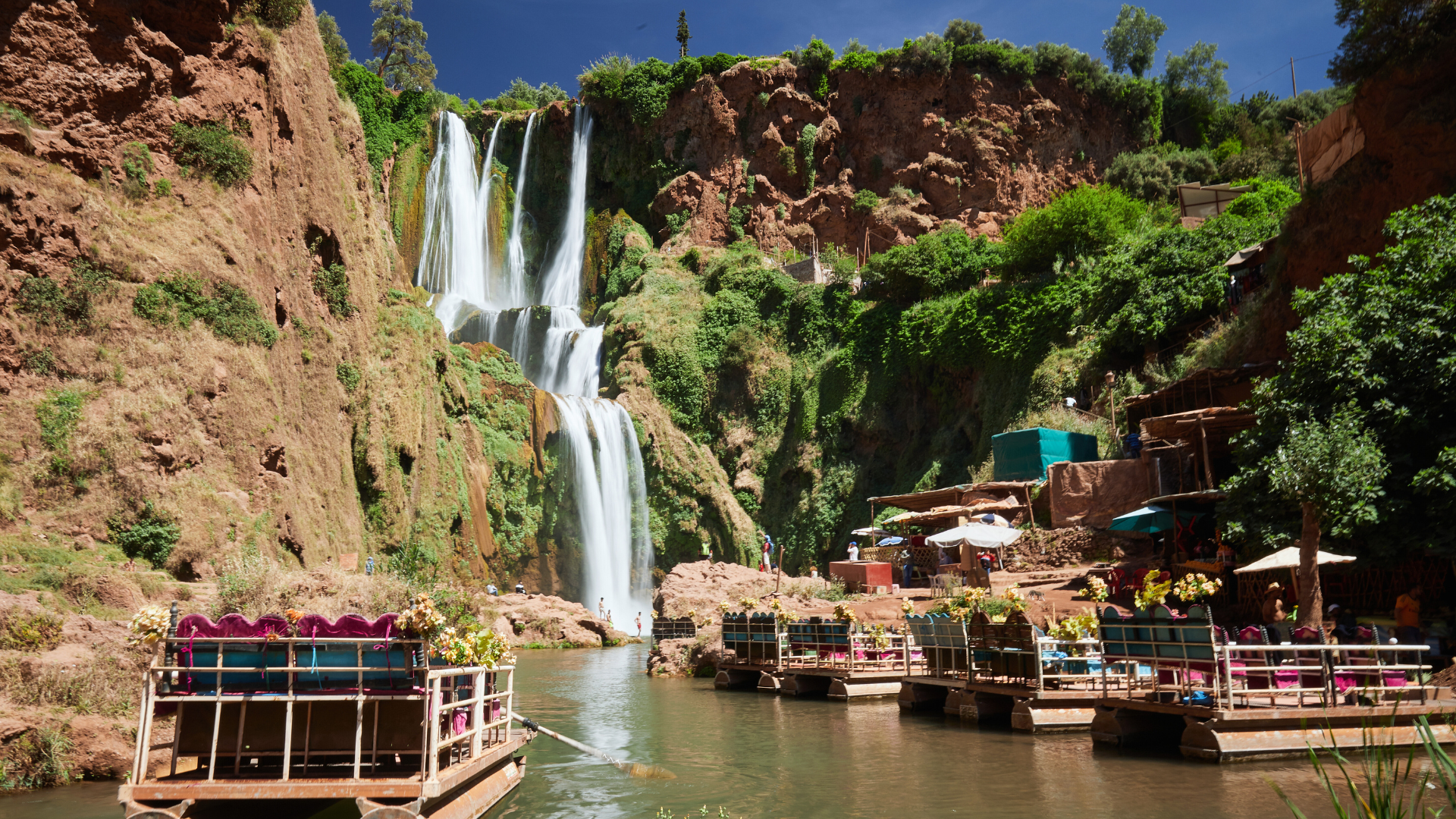
In the Atlas Mountains, the Ourika Valley showcases stunning landscapes and traditional Berber villages. Trekking through the mountains is accessible to all skill levels, allowing travelers to discover waterfalls and enjoy the flora. Engaging with the local Berber culture adds a unique dimension to the visit.
Visiting Ancient Medinas and Historical Sites
Morocco’s ancient medinas, such as those in Tangier and Meknes, are treasure troves for history buffs. The medinas are lively with vendors selling spices, textiles, and crafts. Volubilis, a well-preserved Roman ruin, is nearby and offers an affordable day trip.
Historical sites like the iconic Hassan II Mosque in Casablanca are accessible and provide insight into Morocco’s architectural prowess. Each experience is deeply rooted in the country’s rich history, making visits to these sites both enlightening and budget-friendly.
Travelers can enjoy the beauty and culture of Morocco by focusing on these destinations and experiences, ensuring a memorable trip without breaking the bank.
Getting Around Morocco: Transportation and Money-Saving Tips
Navigating Morocco’s diverse landscapes can be affordable and efficient with the right transportation options. Travelers can choose from public transport, taxis, and even rental cars while keeping an eye on their budgets.
Using Public Transport and Taxis
Public transport is an economical way to explore Moroccan cities. Buses are widely available, with cities like Marrakech and Casablanca offering extensive routes. For longer trips, consider the CTM or Supratours bus services, which are reliable and cost-effective.
Taxis are a convenient alternative. Petit taxis (small taxis) are perfect for short distances within urban areas. They operate on a meter system, but this should be confirmed before boarding. Grand taxis are larger and can accommodate more passengers, making them ideal for group travel. They usually operate on set routes between cities, providing an affordable option for inter-city travel.
Budget Car Rentals and Grand Taxis
Renting a car can be a practical choice for those wanting to explore remote areas at their own pace. Car rental companies are prevalent in major cities and airports. It’s advisable to book in advance for better rates. Look for budget-friendly options that offer reasonable mileage limits and insurance coverage.
Grand taxis can also be an economical choice for inter-city travel. They are shared with other passengers, significantly lowering fares. Payment is typically made when the taxi fills up, making this a flexible option for budget-conscious travelers.
Safety and Local Etiquette
Safety should be a priority while traveling in Morocco. Keeping valuables secure and being aware of your surroundings can enhance the travel experience. It’s recommended to use reputable transport providers, especially for longer trips.
When using public transport or taxis, understanding local etiquette can ensure smoother interactions. Always greet drivers politely, and avoid discussing personal matters during the journey. Bargaining is common in markets and with taxi drivers, but one should remain respectful and friendly throughout the process.
Cultural Insights and Culinary Adventures
Morocco offers a rich cultural tapestry and culinary heritage shaped by its diverse history. Understanding these elements enhances the travel experience, providing deeper insights into local life and traditions.
Understanding Moroccan Culture and Customs
Moroccan culture is a blend of Arab, Berber, and French influences, reflecting its complex history. Visitors should note that Morocco is a Muslim country, and customs around modesty and public behavior should be respected. Traditional Moroccan houses, or riads, often feature intricate tile work and are centered around a courtyard, showcasing the importance of family and hospitality.
Local customs include greeting with a handshake or a light kiss on the cheek among friends. Festivals, such as Eid al-Fitr and Ramadan, highlight the community spirit. Visitors should familiarize themselves with these practices to engage more meaningfully with locals.
Experiencing Local Cuisine
Moroccan cuisine is renowned for its rich flavors and varied ingredients. Key dishes include tagine, a slow-cooked stew, and couscous, a staple grain dish often served on Fridays. Another must-try is harira, a hearty soup traditionally consumed during Ramadan.
Street food is prevalent in bustling cities. Options include bissara (a fava bean soup) and msemmen (a flaky Moroccan pancake). Dining in local restaurants provides a glimpse into Moroccan hospitality, which emphasizes sharing and communal meals.
Language and Communication Tips
Arabic is the official language, but French is widely spoken, alongside Berber dialects. Basic phrases in Arabic or French can enhance interactions. Phrases like “Shukran” (thank you) and “Sbah el khir” (good morning) can open doors to warmer exchanges.
Non-verbal communication is also significant. Local customs may encourage engaging in eye contact and using gestures to convey respect. Being aware of these nuances allows travelers to navigate social situations more comfortably.
Shopping at Souks and Markets
Visiting souks and markets is essential for an authentic Moroccan experience. These bustling bazaars offer a variety of goods, from spices to handmade leather products. Travelers can find unique souvenirs, but haggling is expected to get the best price.
Local markets also provide an excellent opportunity to sample fresh produce and street food. Try exploring smaller, less touristy markets for a more local vibe. Tipping in Morocco is customary and appreciated, typically ranging from 10% to 15% at restaurants or for service in shops.